




Discover the Rioja red grape variety
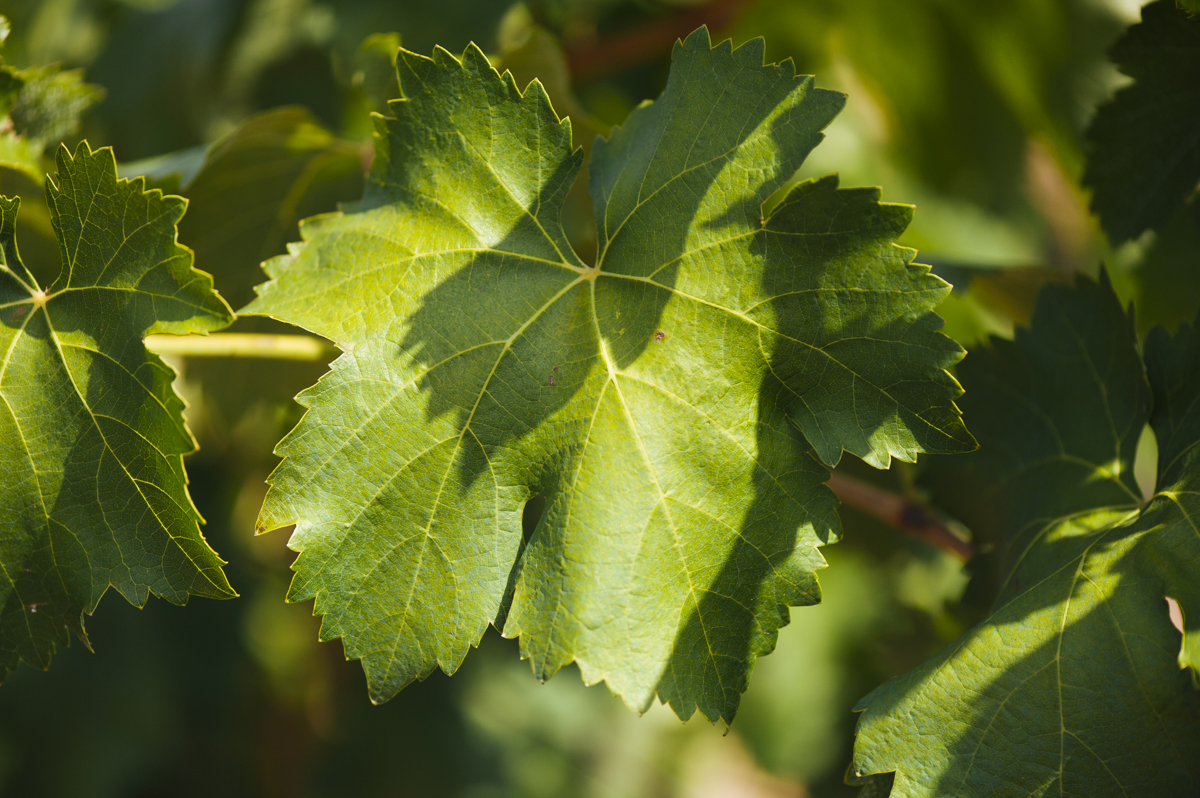
Rioja is a wine region renowned for its tradition, innovation and exceptional quality. Five red grape varieties are grown in the DOCa: alongside the iconic Tempranillo, which occupies most of our vineyards, we have the Garnacha, which stands out for its freshness and versatility. There is also the Graciano, known for its aromas, colour, acidity and intensity in the mouth, and the Mazuelo, with its rich tannins, high acidity and stable colour. Finally, the Maturana Tinta was added in 2007, although, curiously, it is one of the varieties with the longest history.
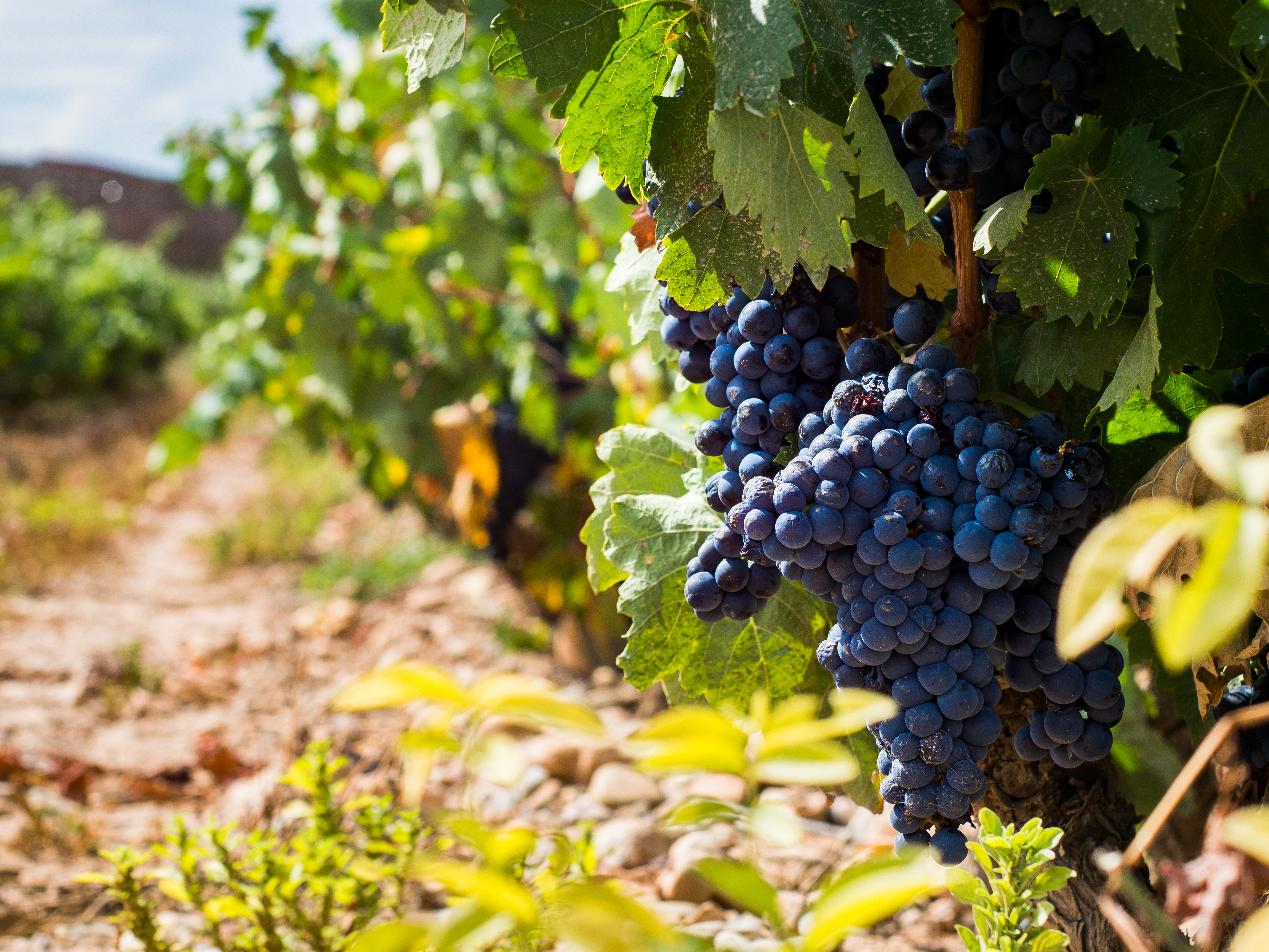
DOCa Rioja red grape varieties
Over the centuries, expert winegrowers have selected the red grape varieties best suited to the climate and soil to produce wines of the highest quality.
The Tempranillo grape is considered an autochthonous variety of Rioja, providing refinement and a wide range of aromas. Its versatility allows it to produce smooth, delicate wines or powerful, structured wines with great ageing potential.
The term “Tempranillo” refers to its early ripening compared to other southern European varieties, although its behaviour is similar to that of northern grapes, which are adapted to temperate climates and short vegetative cycles. The ripening process varies according to altitude, exposure and microclimate, with a difference of up to two months between the warm areas of eastern Rioja and the cooler areas of Rioja Alta.
Wines made with Tempranillo have changing aromas depending on the region and the oenological processes. In general, they present notes of plum, ripe strawberry and liquorice. Their acidity and tannin levels are in the medium range, while their texture is smooth and their alcohol content is medium-high. They stand out for their ability to evolve and their affinity with oak, which makes them ideal for blending.
Originally from Spain, it is speculated that Garnacha may have originated in the middle Ebro valley, between Aragon and Navarra. After the phylloxera crisis of the 20th century, part of the Rioja vineyards were replaced by Garnacha, although in recent decades the versatile Tempranillo has displaced its dominance and now accounts for only 8% of the Rioja harvest. Despite its decline, Garnacha is flourishing in eastern Rioja, maturing well and becoming increasingly popular in single-variety wines.
Garnacha grows vigorously, budding early but ripens late, needing warm and sunny conditions. It is drought resistant and faces problems in flowering in cold and wet climates.
As it matures, this grape accumulates sugar, producing alcoholic wines with body and smooth texture due to its low to medium tannins. At high yields, the wines are less intense in colour, producing light reds and easy-drinking rosés. At low yields, it produces structured and ageing wines with aromas of strawberry, raspberry and spices such as pepper.
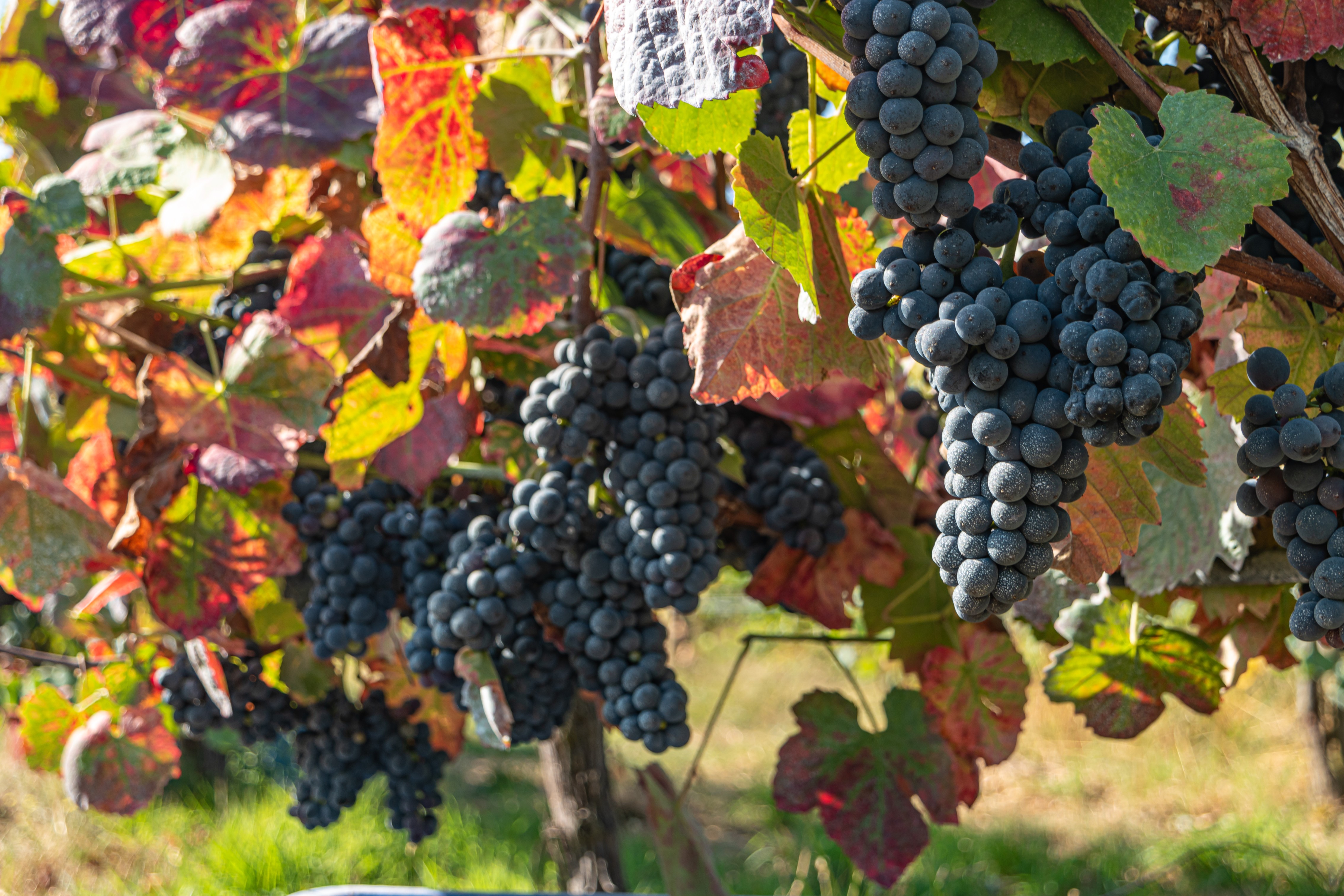
3. Graciano
The Graciano variety has numerous synonyms throughout the Mediterranean basin and in Spain, hinting at its rich history, although some experts trace its origins in Rioja. It currently represents only 2% of Rioja’s vineyards (1,316 hectares in 2019) but plantings are increasing.
The Graciano grape is a late sprouting and ripening grape that prefers warm climates and calcareous clay soils and is resistant to drought. Its wines are intense in colour, rich in tannins and with a pronounced acidity that guarantees a notorious ageing capacity. Aromatically, they present fruity notes of cherries, red fruits, pepper and even a hint of mint.
Under synonyms such as Bovale Sardo in Sardinia and Courouillade in Languedoc, Graciano has traditionally accompanied the great classic Rioja wines, enhancing their ageing potential thanks to its intensity, tannins and acidity. RRecently, however, single-varietal Graciano wines have appeared, allowing us to enjoy this grape as a protagonist. With optimal ripening conditions, Graciano produces fresh, intense and moderately alcoholic wines, responding to growing consumer demand.
4. Mazuelo
Mazuelo is a minority variety in Rioja, representing 2% of the vineyard, and probably originated in Aragón, although there is evidence of its cultivation in Rioja for several centuries. It is vigorous and productive, with late budding and ripening, requiring warm climates and well-drained soils. It is susceptible to powdery mildew and benefits from management to balance yields. It provides acidity, structure and rich aromas of red fruits, herbs and spices in wines.
Its versatility in crossbreeding makes it a key variety to reinforce other wines through coupage, for example, as a complement to Tempranillo for wines with a long aging period.Its wines are characterised by high acidity, strong tannins and intense colour. It can contribute balsamic and floral characteristics. Synonyms include Cariñena in Aragon, Samsó in Catalonia, Carignan in France and Bovale di Spagna in Sardinia.
Maturana Tinta is a variety that is gaining in importance as it gives intense colour and tannins to Tempranillo wines. Although historically cultivated, it was rescued from extinction and included in the DOCa Rioja in 2007.
With a short growth cycle, its late budding and early ripening do not prevent it from achieving high sugar levels in exposed areas. The clusters are compact, with medium-sized grapes and thick skins. Vulnerable to diseases such as botrytis, it produces wines with a deep colour and herbaceous aromas.
Each grape variety brings its own unique character and contributes to the rich palette of flavours and aromas that define the region’s wines. If you are a wine lover, exploring the red wines of Rioja is like embarking on an exciting journey through tradition, culture and the passion of winemaking. Cheers!