



Quality Control in Rioja Vineyards Guaranteeing Excellence
QDO Rioja is known for its unwavering commitment to the quality and authenticity of its wines, and this is no coincidence. One of the key factors behind its reputation is the strict quality control that is applied at all stages of production of its wines. Through the Control Board, rigorous standards are imposed to preserve the quality and authenticity of Rioja wines, which has contributed to its leading position in the market.
Delimited Production Zone: Where it all begins
The production area for Rioja wines protected by the QDO is meticulously defined. It covers 144 municipalities in three autonomous communities: 118 in La Rioja, 18 in Alava and 8 in Navarre. In order to obtain the protection and designation of Rioja, both the vineyards and the wineries must be located within this defined area. In addition, all vineyards must be registered with the Control Board, which means that the relevant information, such as the name of the owner, the municipality, the plot, the varieties grown and other essential details, must be accurately recorded.
Vineyard Register: Where each vine tells a story
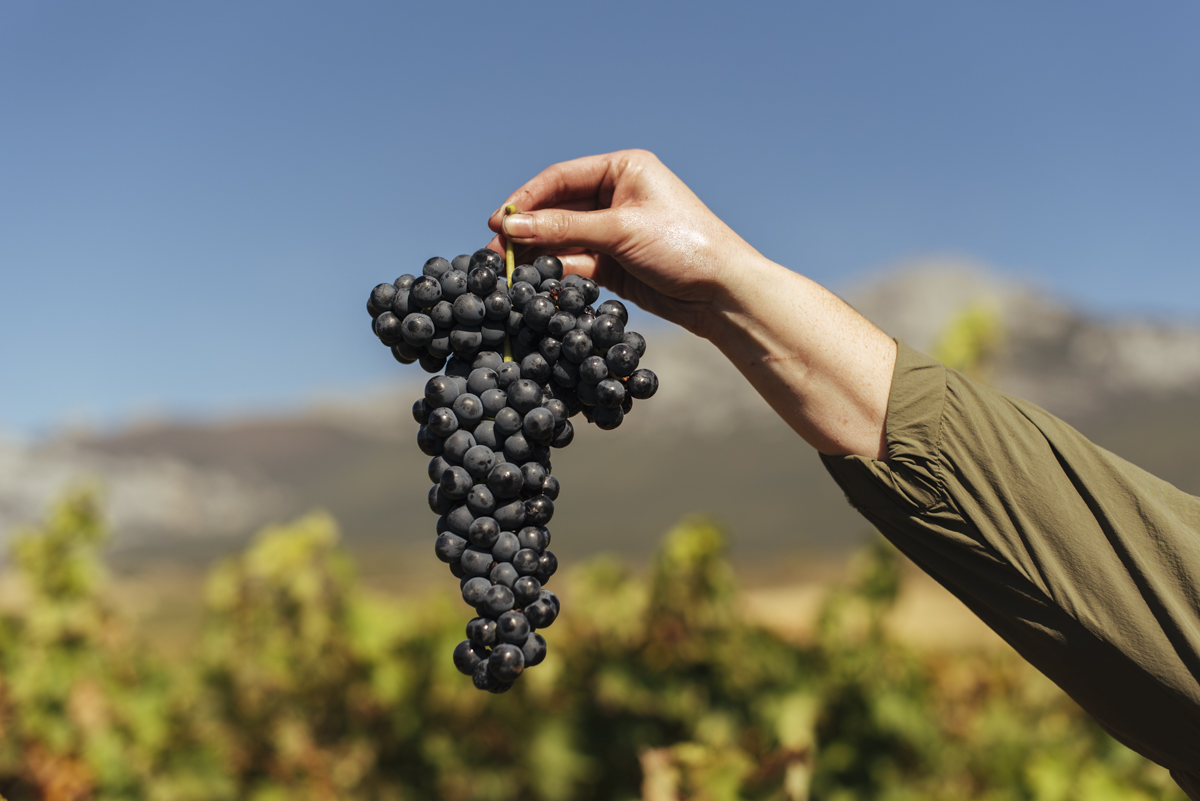
In Rioja, each vine tells a story and must be in the Control Board’s records. Here, we know everything about each vineyard, from the name of the winegrower to the number of vines planted.
Planting Density
Planting density is an essential aspect of the way in which vines are cultivated in La Rioja. A specific range of 2,850 to 10,000 vines per hectare is established, which helps to maintain a proper balance and controlled vigour in the vineyards, thus ensuring the quality of the grapes.
Pruning and maximum allowable yields
Pruning plays a crucial role in the quality of the wine, and in Rioja the maximum number of buds per vine is carefully regulated. This number varies according to the grape variety, and specific criteria are established for each one. This precise control contributes to the production of high quality grapes and the yield of exceptional wines.
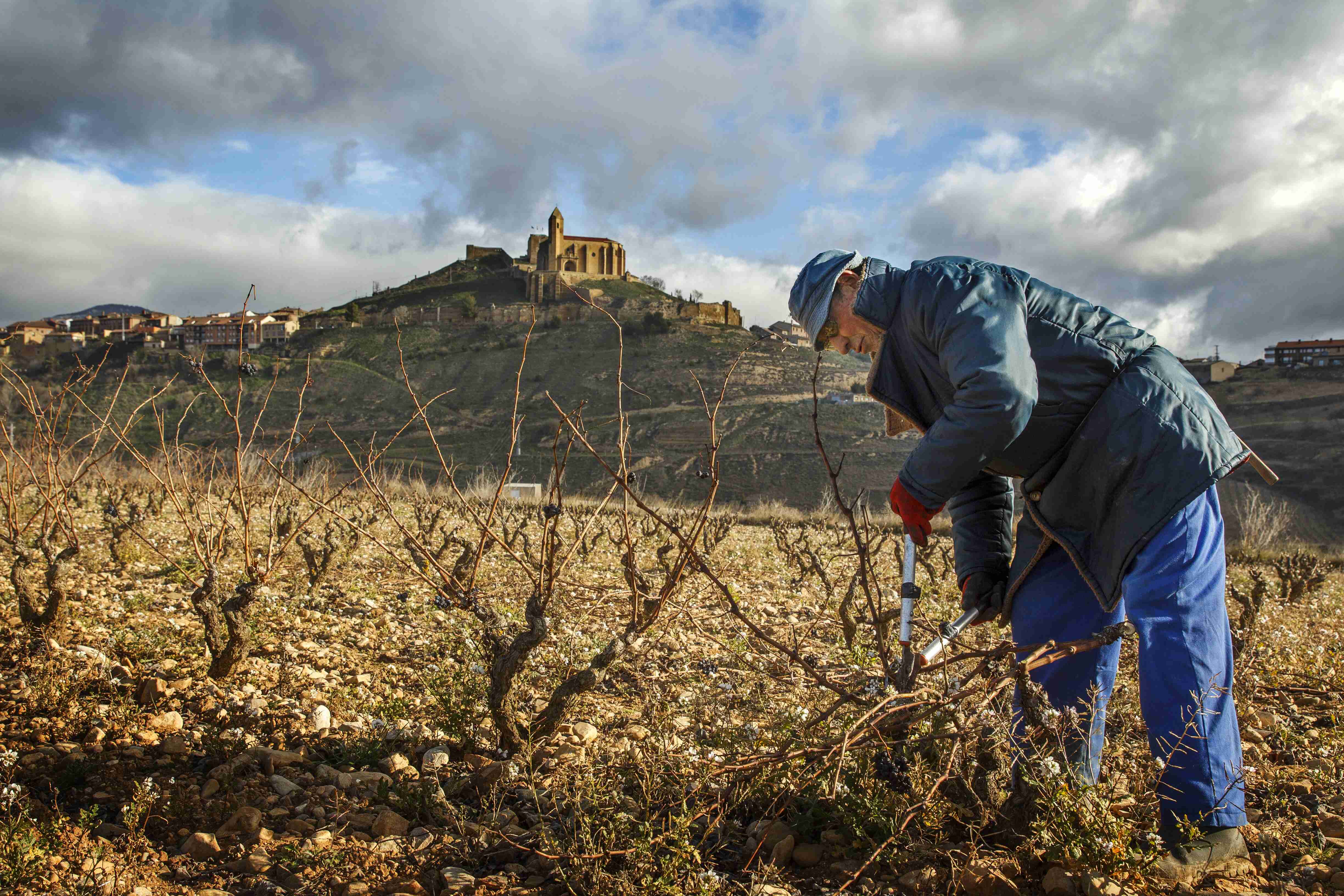
In terms of maximum permitted yields, Rioja follows a policy of containment that is in line with the standards of the most prestigious designations of origin in Europe and exceeds many other Spanish regions. For example, the maximum production per hectare of red varieties is limited to 6,500 kg of grapes, equivalent to 45.5 Hl/ha, while for white varieties, the maximum allowed is 9,000 kg of grapes per hectare, equivalent to 63 Hl/ha.
Authorised Grape Varieties
The diversity of Rioja wines is based on a careful selection of authorised grape varieties. A total of 14 varieties are allowed, including 5 reds and 9 whites. These varieties, which include Tempranillo, Viura, Garnacha, Graciano, Chardonnay and many others, play a fundamental role in creating the richness and complexity of Rioja wines.
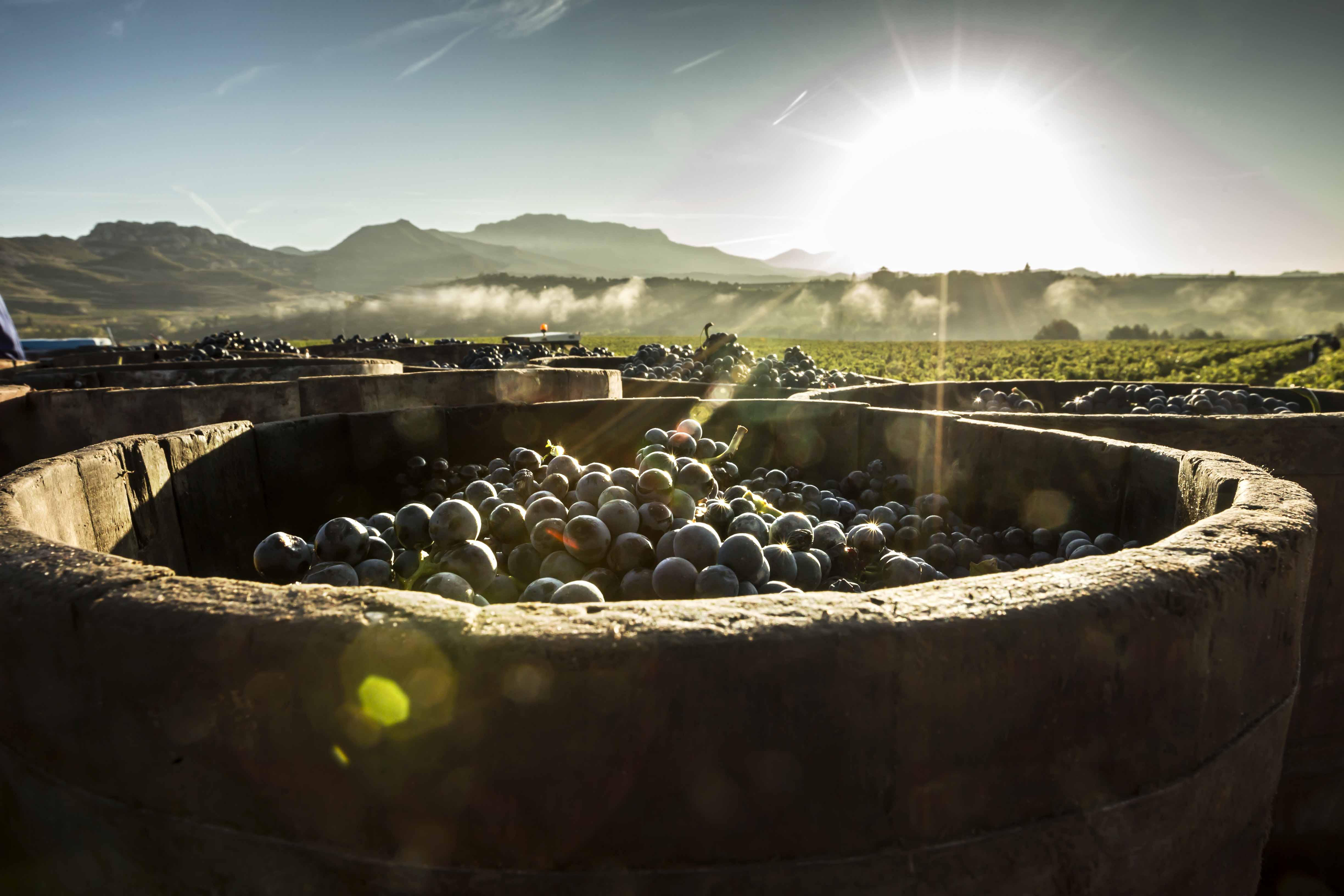
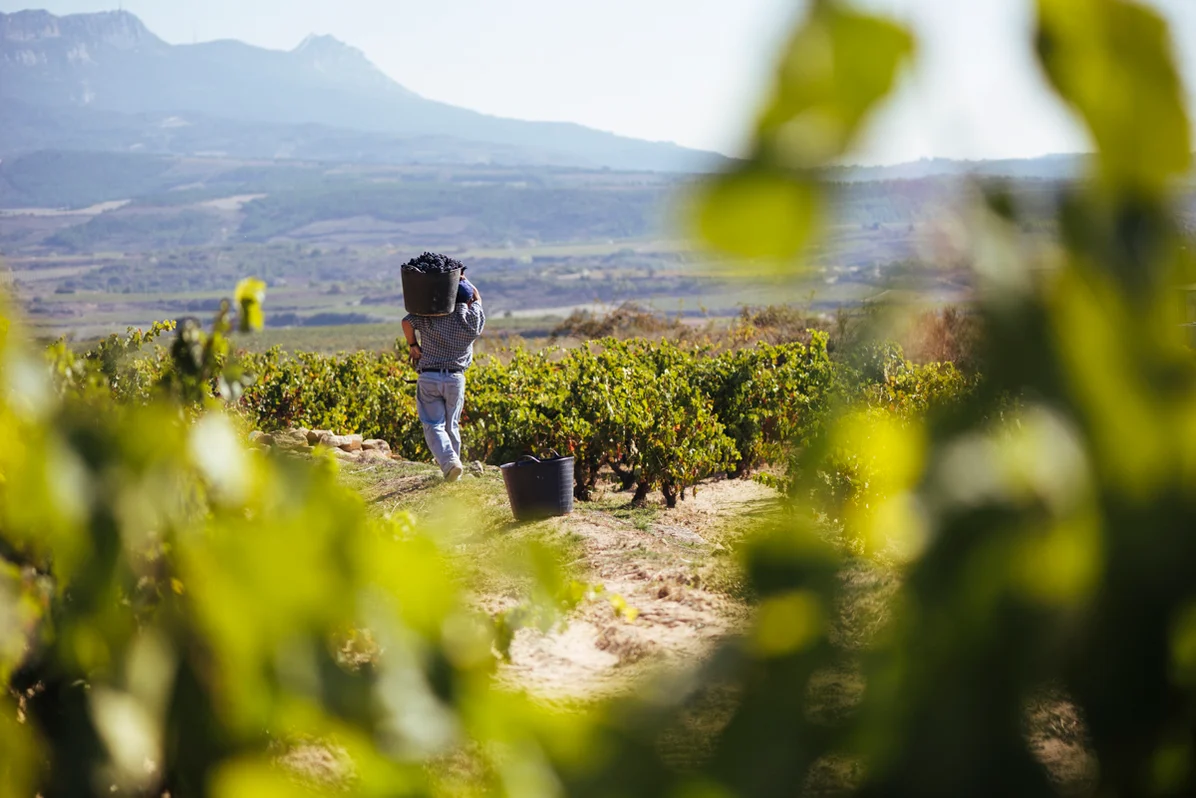
Rioja Alta, Haro, vendimia
Overseers in Rioja: Guardians of Quality
The inspectors play a fundamental role in the quality control of Rioja’s vineyards. Their work is essential in ensuring that only the highest quality grapes are used in the production of Rioja wines, thus helping to maintain the high standards of excellence that characterise this prestigious wine region.
They are the guardians of quality who help to maintain Rioja’s reputation as a leader in the world of wine.
Think of the passion and effort that goes into making a bottle of Rioja. With each sip, you will discover the reward for this dedication and the promise of quality that has endured over time. Let’s celebrate the harvest and the treasures that each Rioja vintage offers us! Cheers!