









Where is the Future of Rioja Wines Heading?
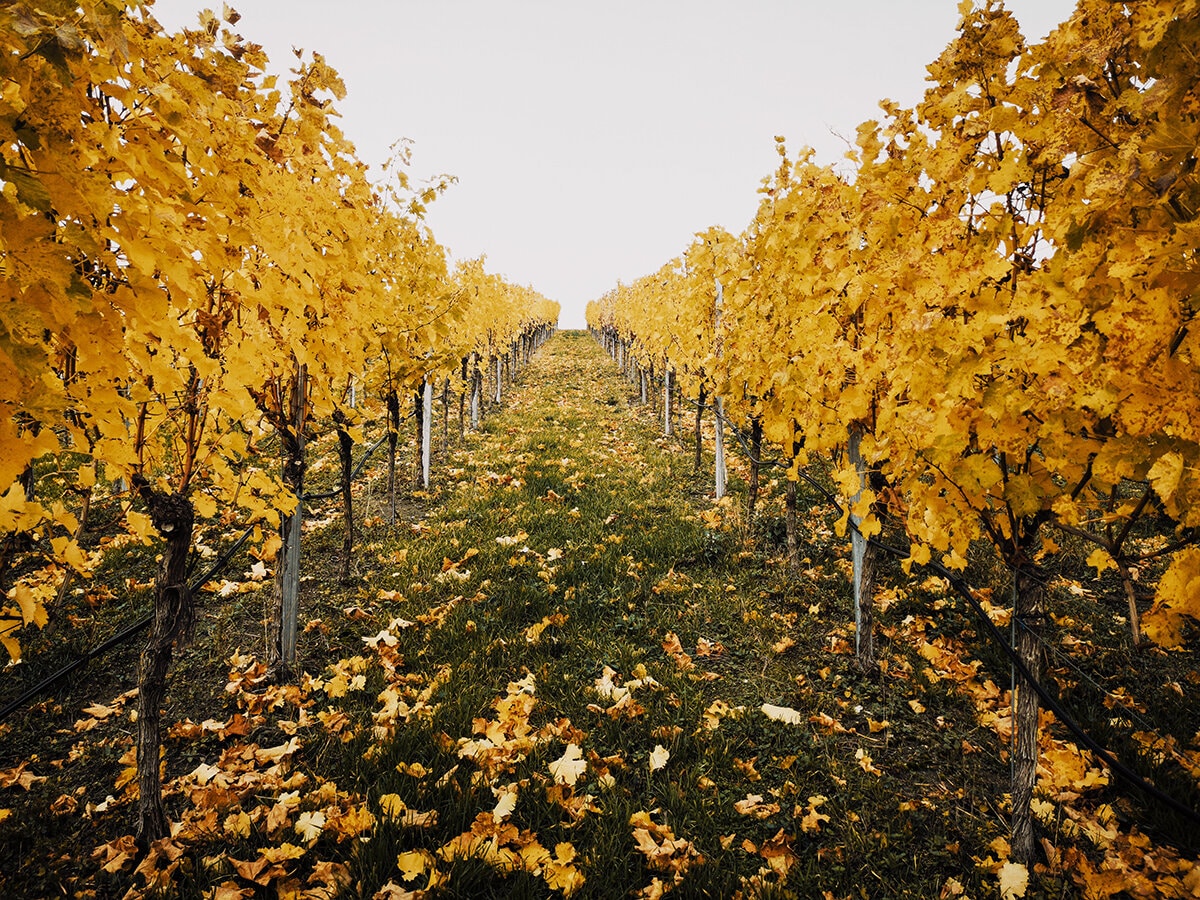
Rioja wines have maintained a solid and growing presence in the market, and the future promises even more prosperity. The Rioja region has consolidated its position as one of the main reference points in the wine industry, both in Spain and worldwide. The export of its wines to more than 124 countries is proof of its international reputation.
An interesting trend in Rioja’s recent evolution is the increase in the value of its wines. Although Spain remains the main destination for Rioja wines, accounting for 63% of total sales volume, exports are playing an increasingly important role and account for 37% of total sales. Even more significant is the specialisation and growth in the Crianza, Reserva and Gran Reserva categories. Sales of red wines in these three categories now account for 65% of total red wine sales in Rioja. In addition to contributing economic value, these categories are the pillar of the Rioja Brand, as their sales account for 85% of total red wine sales in the QDO.
New Perspectives and Trends for Rioja Wines
Among the current trends in the evolution of Rioja wines, the growing exploration and consolidation of new ways of interpreting the region’s wines stands out. The approval of new white varieties in 2008 has opened up a range of possibilities, both with newcomers and traditional varieties. There are more and more indigenous interpretations of grapes such as Garnacha, Graciano, Mazuelo and, of course, Tempranillo. White wines, although they represent only 9% of Rioja’s total production, have maintained their universal reputation and have grown by almost 40% in the last three years. From the non-crianza whites, which express the character of their origin and variety, to the great Reserva and Gran Reserva whites, which have gained international recognition.
The new classification of Rioja wines, Zona, Pueblo and Viñedo Singular, is gaining acceptance and aligns with the growing curiosity of wine lovers to explore the nuances between the various territories that make up the QDO. Rioja growers and winemakers have endless possibilities at their disposal, and this gradual exploration is revealing a new Rioja that joins the classic styles.
The domestic market and exports
In the domestic market, there is a steady shift towards the consumption of higher quality wines, with Rioja maintaining its leadership with a third of total sales of wines with Designation of Origin. This shift has been supported by an increase in demand for Crianza, Reserva and Gran Reserva red wines, although young reds have seen a decline in sales. The on-trade market continues to be an important pillar for Rioja, and the QDO has a 60% market share, especially in crianza wines.
In terms of exports, Rioja wines are present in more than 124 countries, making them an international ambassador for Spanish wines. Rioja accounts for around 37% of the total exports of Spanish wines with Designation of Origin. In the export market, Crianza, Reserva and Gran Reserva wines are the best sellers and offer a wide range of options, with more than 1,000 different wines in this segment.

The future of Rioja wines looks promising and full of possibilities. As Rioja continues to evolve, maintaining its commitment to quality and innovation, it remains a region that celebrates tradition and the avant-garde in perfect balance. Its legacy and quality continue to captivate those who venture to enjoy its exceptional creations, and its international influence continues to grow.
Rioja wines represent a rich and enduring winemaking heritage, and their future looks set to be full of exciting opportunities and new experiences for wine lovers around the world.