

Rioja News: Present and Future of a unique wine region

Rioja, a region that stands as one of Spain’s wine jewels, not only evokes a rich winemaking tradition, but also projects an image of elegance and quality to the world. With 574 wineries, 66,240 hectares of vineyards and 14,800 winegrowers, the region is a benchmark in wine production. With its wines exported to more than 124 countries, Rioja has achieved international renown.
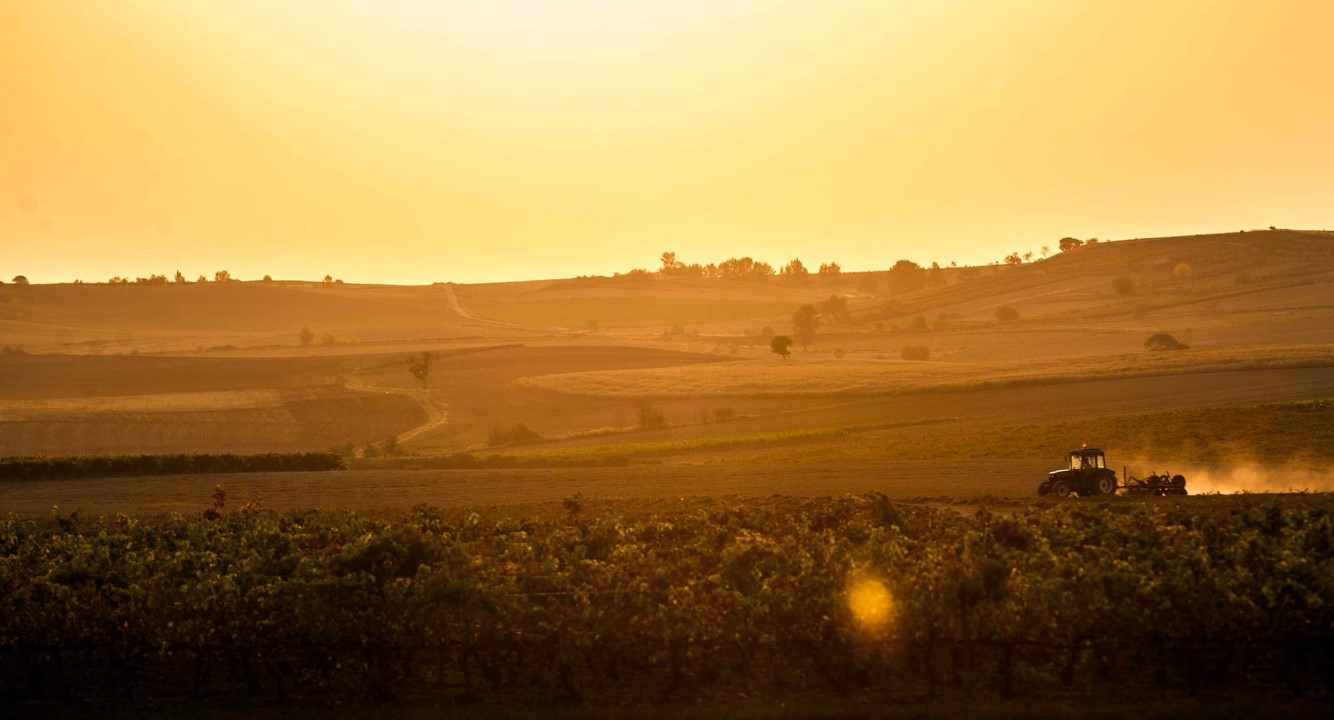
Agriculture and viticulture are at the heart of this region. La Rioja’s rural economy is one of the most prosperous in Europe, contributing a solid 6.7% to the national GDP in 2017. Compared to 2.9% in Spain and 1.6% in the European Union, this fact underlines the significant impact of the primary sector in the region.
The diversity of agricultural activities is spread over 125,030 hectares, including cereals, vineyards, fruit trees, olive groves, vegetables and industrial crops. In figures, this means 574 wineries, 66,240 hectares of vineyards, 14,800 winegrowers, the production of 351 million bottles per year and a contribution of 20% to the regional GDP.
Benefits of the Rioja economy
The benefits of this vibrant rural economy are manifested in a number of ways:
- Sustainability: Rioja’s commitment to sustainability is manifested through the practice of polyculture, a strategy that not only guarantees crop diversity, but also enriches the region’s biodiversity. This sustainable approach preserves the health of the soil and the environment, ensuring a healthy future for generations to come.
- Opportunities for young people: The revitalisation of the rural economy in Rioja is particularly attractive to the younger generation. The ever-evolving agriculture and viticulture industry stimulates the entrepreneurial spirit of young people, giving them the opportunity to bring fresh and sustainable ideas to the region. This drive towards entrepreneurship not only contributes to environmental sustainability, but also to the social and economic prosperity of Rioja.
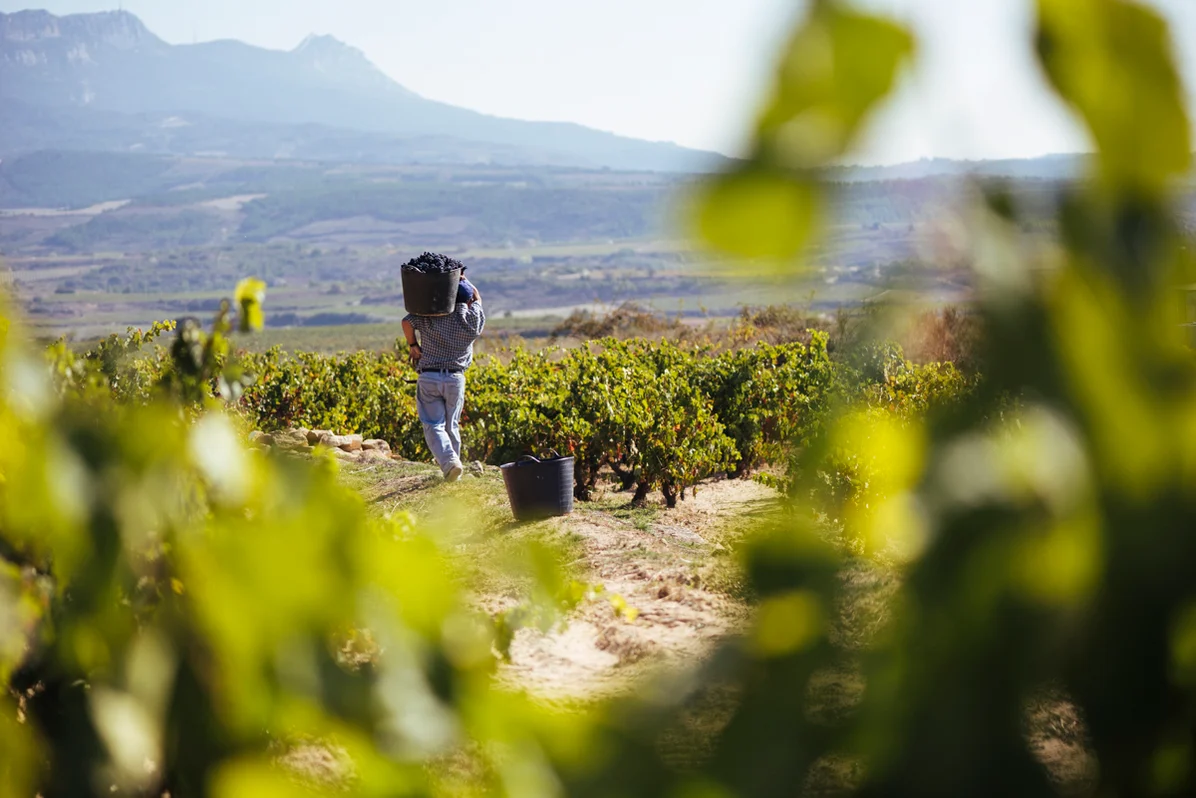
- High added value: Grape growing and subsequent winemaking in Rioja generates significant margins and added value compared to other agricultural crops. This increase in value is especially evident in areas such as Rioja Alavesa and Rioja Alta, where wine production is a major economic engine for the region. The transformation of grapes into wine not only adds economic value, but also contributes to Rioja’s rich cultural heritage, where tradition and innovation merge to create wines of exceptional quality at all price points, which delight the palates of wine lovers around the world.

The international success of Rioja wines
In terms of wine marketing in Spain, Rioja is the undisputed leader. In the 2016/2017 season, one in four bottles of wine sold in Spain and one in five exported carried the QDO Rioja seal. What is behind this success? The answer lies in the trust that Rioja wines inspire, rooted in the tradition, familiarity and cultural attachment of the region. The exceptional quality and diversity of Rioja wines is a magnet for wine lovers, both in Spain and around the world.
With a range that spans all price points, Rioja wines win the appreciation of the most discerning palates. Rioja’s reputation as a producer of quality wines is a reflection of its ongoing commitment to excellence. The region not only represents a centuries-old winemaking tradition, but also projects an image of innovation and elegance that endures over time.
Today, Rioja continues to be a beacon in the world of wine, celebrating the balance between tradition and the avant-garde, between agriculture and oenological excellence. Its legacy and quality continue to dazzle those who venture to enjoy its exceptional creations.